Garden design and build in Greenwich
If you are looking for garden design and build in Greenwich, you may already know that outdoor spaces in this part of London need a thoughtful approach. Gardens here often have to work hard: they may be compact, overlooked, shaded by mature buildings or trees, split over levels, or tucked behind period homes with limited access. At the same time, they are expected to look beautiful, feel practical, and suit busy local lifestyles. A well-planned garden can bring more usable space to a home, add calm to a terrace, and create a welcoming setting for family life, entertaining, or business use.
Greenwich has a mix of property types, from Victorian and Edwardian terraces to modern apartments, mews homes, townhouses, converted buildings, and commercial premises. That variety means every outdoor project needs to be tailored. A good design and build service looks at the space as a whole: layout, planting, materials, drainage, privacy, lighting, access, and long-term maintenance. Whether you want a complete garden transformation or a practical refresh, the right local team can help you make the most of what you have.
For homeowners, landlords, and commercial clients, the benefit of using a local team is straightforward: they understand the character of Greenwich properties, the constraints of city plots, and the reality of working in streets where access, parking, and deliveries can take planning. If you are ready to request a free quote or simply want to explore ideas, the sections below explain what is involved, what you can expect, and how to prepare for your project.
Why garden design matters in Greenwich

In Greenwich, outdoor space is often at a premium, so every square metre counts. A professionally designed garden can make a small area feel larger, improve flow between house and garden, and create distinct zones for dining, relaxing, children’s play, or planting. On larger plots, good design helps avoid wasted areas and brings structure to lawns, borders, patios, and pathways.
Garden design and build in Greenwich is not only about aesthetics. It is also about solving practical problems. For example, many local gardens need better drainage after heavy rain, more privacy from neighbouring windows, or a layout that works around steps, side access, bins, or utility runs. A considered design reduces friction in day-to-day use and creates a space that feels easy to live with.
There is also a strong relationship between the garden and the home itself. In many Greenwich properties, especially period houses, the garden should complement the architecture rather than compete with it. That might mean using classic materials, soft planting, and proportionate features. In more contemporary homes or developments, the look may be cleaner and more minimal. Either way, the goal is to create a space that feels intentional and suited to its setting.
What a garden design and build service includes
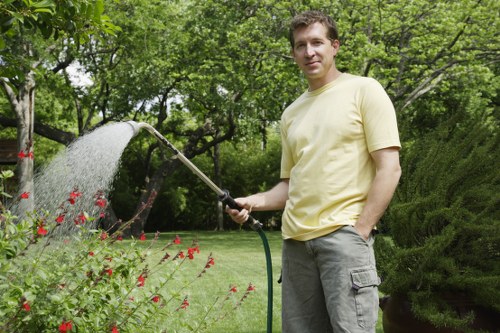
A full garden design and build service usually covers the project from the first idea through to completion. Some customers come to us with a clear vision, while others need help shaping the brief from scratch. Either way, the process should be structured, transparent, and adapted to the site.
Typical elements can include:
- Initial site discussion and measurements
- Concept design and layout planning
- Hard landscaping, such as paving, patios, steps, walls, fencing, and edging
- Soft landscaping, including planting, turfing, beds, shrubs, and trees
- Lighting and feature integration
- Drainage solutions where needed
- Timber work such as pergolas, raised beds, screening, and garden structures
- Finishing details that tie the whole garden together
Some projects focus on one part of the garden, such as replacing a tired patio or reworking a front garden for better kerb appeal. Others involve a full redesign with groundworks, structural changes, and a complete planting scheme. A strong local contractor will help you choose the right scope for your budget and the way you use the space.
Designing for Greenwich homes and lifestyles
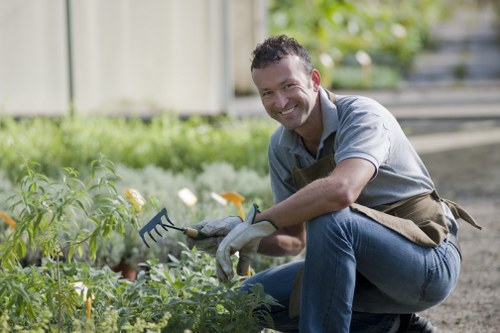
Greenwich is a place where homes are used in very different ways. Some people want a calm retreat after a commute into central London. Others need a family-friendly garden that stands up to daily use, with durable surfaces and room for children to move safely. Some clients want a smart outdoor entertaining area for summer gatherings, while others simply need a garden that is easier to maintain.
Garden design and build in Greenwich works best when it reflects those real needs. For a compact garden behind a terrace, that might mean using clean lines, built-in seating, and layered planting to create depth. For a long narrow plot, it may involve dividing the area into linked sections so it does not feel like a corridor. For a raised or sloping garden, level changes can be turned into a feature rather than a problem.
Local properties can also come with awkward boundaries, shared walls, mature trees, or restricted side access. These issues are not unusual, but they do require careful planning. A local team can assess the practical side of the project early on, which helps avoid delays and makes the final result more reliable. That local familiarity can save time, reduce stress, and lead to a better-finished garden.
Popular design features for Greenwich gardens
Every garden should be unique, but there are certain features that work especially well in Greenwich because they suit the area’s homes, climate exposure, and lifestyle patterns. The right combination depends on the size of your plot, the amount of sunlight it receives, and how much maintenance you want to take on.
Common requests include patios for dining, low-maintenance planting schemes, family lawns, built-in storage, screening for privacy, and lighting for evening use. In smaller outdoor spaces, multi-purpose features are particularly valuable. A bench can double as storage, a raised border can provide structure and planting depth, and a carefully placed trellis can soften boundaries without closing the space in.
Material choice matters as much as layout. In Greenwich, many customers like materials that feel durable and in keeping with the local character. Natural stone, porcelain paving, brick detailing, gravel, timber, and textured planting can all work well when used with restraint. The best results usually come from combining practical surfaces with a planting scheme that gives the garden movement, colour, and seasonal interest.
Examples of features often included
- Patios and terraces for outdoor seating and dining
- Permeable paving or carefully planned drainage solutions
- Raised beds for structure and easier planting
- Low fencing, trellis, and screening for privacy
- Steps, retaining walls, and changes in level
- Soft planting for year-round interest
- Outdoor lighting for safety and atmosphere
- Artificial or natural lawns depending on use and maintenance needs
From first idea to finished garden

One of the biggest advantages of using a local garden design and build team is having a clear process. A good project should feel manageable rather than overwhelming. Even if your garden needs a lot of work, the right team can break the job into sensible stages and keep everything moving in the right order.
The process often begins with a conversation about how you want the garden to feel and function. You might want a more sociable space, a safer area for children, better planting, or a low-maintenance finish that does not require constant attention. The next step is normally an assessment of the site, including measurements, levels, sunlight, drainage, and access.
After that, the design stage turns those ideas into something practical. This may involve sketches, layout options, material suggestions, and a planting direction. Once the design is approved, the build stage can begin, covering ground preparation, construction, hard landscaping, planting, and the final tidy-up. Each step should be explained clearly so you know what is happening and why.
What to expect during the build phase
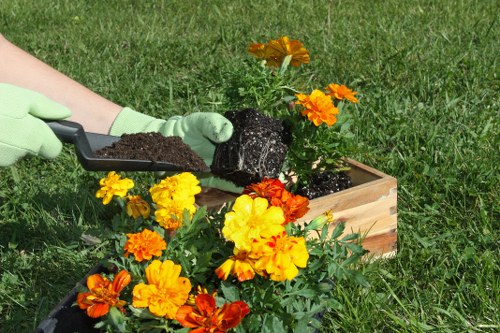
During the build, site management becomes especially important. Green spaces in Greenwich are often surrounded by neighbouring homes, shared paths, or limited street parking, so delivery timing and access planning matter. Materials may need to be brought through narrow side passages or carefully handled to avoid disturbance. A local team used to this type of work can plan ahead and keep disruption to a minimum.
Depending on the project, the build phase may include removing old paving or planting, altering levels, installing sub-bases, constructing retaining features, fitting lighting or irrigation elements, and then completing the planting and finishing details. The order matters. Good groundwork gives patios and walls a longer life, while proper preparation helps planting establish well and reduces future issues.
Many customers appreciate being kept informed as the project progresses. It is easier to make good decisions when you understand what stage the work is at and what comes next. That is particularly helpful if you are balancing the garden project with home life, tenants, business opening hours, or seasonal deadlines such as wanting the space ready for spring or summer.
Why choose a local Greenwich company
There are real advantages to choosing a company that works regularly in Greenwich and the surrounding area. Local knowledge is not just about geography; it is about understanding typical property layouts, common site constraints, and the expectations of local customers. Gardens here can range from small urban courtyards to larger family gardens and shared commercial outdoor spaces, and each one brings different challenges.
A local team is often better placed to handle access and parking considerations. On some streets, there may be limited room for vans, tool storage, or material deliveries. That means the project needs careful scheduling and a tidy approach to keep things moving. For properties with no side access, or where equipment must pass through the house, the build team should plan protection and access routes properly.
There is also practical value in working with people who understand the local environment. Wind exposure, shade, soil conditions, and the effect of nearby buildings can all influence plant choice and layout. When design is grounded in real site conditions, the finished garden is more likely to look good and perform well over time.
Good reasons to use a local service
- Better understanding of Greenwich property styles and plot sizes
- More practical planning for access and parking
- Designs shaped around local light, shade, and exposure
- Faster communication and easier site visits
- More relevant advice for maintenance and materials
Residential and commercial garden projects
Garden design and build in Greenwich is not limited to private homes. Many commercial customers also need outdoor areas to look tidy, welcoming, and easy to maintain. That may include offices, hospitality spaces, managed developments, schools, communal courtyards, care environments, and retail settings. The aim is often different from a domestic garden, but the same design principles apply: strong layout, durable materials, reliable drainage, and planting that can stand up to use.
For residential customers, the focus is often on personal lifestyle. Families may want safe, flexible spaces for play and entertaining. Professionals may want a low-maintenance garden that looks finished without demanding too much time. Landlords may want to improve the usability and presentation of a property between tenancies. In each case, the best solution is one that fits the way the space is actually used.
Commercial projects tend to prioritise accessibility, consistency, and ease of upkeep. That might mean robust paving, clean edges, low-maintenance planting, and features that remain attractive through busy periods. Whether the project is domestic or commercial, a well-planned outdoor space sends the right message and helps the property work better for the people using it.
Project types we can help with
- Rear garden redesigns for houses and terraces
- Courtyard and patio transformations
- Front garden redesigns and entrance improvements
- Roof terrace and terrace-adjacent landscaping
- Communal outdoor areas for managed properties
- Business and hospitality outdoor spaces
Preparing for your garden project
Before work starts, a little preparation can make the whole process smoother. You do not need to have every detail decided, but it helps to think about how you want to use the garden and what matters most to you. Do you want more seating? Better privacy? A space that is child-friendly? Lower maintenance? More planting? A stronger connection to the house? These answers help shape the design brief.
It is also useful to consider practical details such as where bins are stored, whether you need access to sheds or side gates during the work, and if there are any times when the garden must stay partly usable. If the property has restricted access, it is worth mentioning this early. The more information the team has, the easier it is to plan the build efficiently.
For many Greenwich customers, timing matters as well. Some want work completed before summer use, before a property goes on the market, or before a new tenant moves in. Others prefer quieter times of year when the disruption has less impact. Planning ahead gives you more flexibility with materials, scheduling, and the sequence of the work.
Simple preparation checklist
- Think about how you want to use the space
- Gather any inspiration images or layout ideas
- Identify practical issues such as drainage, shade, and access
- Clear away items you want to keep before work begins
- Consider where tools, materials, and waste may need to pass through
- Decide whether you want a low-maintenance or planting-heavy finish
Pricing factors for garden design and build in Greenwich
Every garden project is different, so pricing depends on the scale of the work and the choices made along the way. Rather than focusing on a one-size-fits-all figure, it is more useful to understand the main factors that influence cost. That way, you can decide where to invest and where to keep things simple.
Key pricing factors usually include the size of the garden, the amount of excavation or clearance needed, the materials chosen, the complexity of the layout, whether there are changes in level, and whether drainage or structural work is required. Planting schemes can also vary greatly depending on whether you want a simple, low-maintenance finish or a richer, more layered look.
Access can affect the amount of labour involved, especially in Greenwich properties where materials may need to be moved through narrow entrances or where street parking is limited. If the garden is difficult to reach, the team may need extra time for logistics and protection measures. A clear quote should explain what is included so you can compare proposals with confidence.
When asking for a quote, it helps to be clear about your priorities. For example, you might want to know the difference between a basic refresh and a full redesign, or whether certain features can be phased over time. A good local company should be able to discuss options in a practical way and help you choose the best route for your budget.
How to choose the right design approach
Not every garden needs a dramatic transformation. Sometimes the smartest approach is a focused redesign of the areas you use most. In other cases, it makes sense to rework the whole space so that every part feels connected. The best approach depends on how the garden is currently performing and what problems you want to solve.
If the garden feels cluttered, dark, or awkwardly divided, stronger structure may help. If it already has good bones but looks tired, then improved planting and materials may be enough. If the space is small, careful detailing and storage solutions can make a big difference. If the site is larger, it may benefit from distinct zones and a clearer landscape plan.
It can help to think about the garden in terms of use, mood, and maintenance. Use refers to what you need the garden to do; mood is the feeling you want when you step outside; maintenance is the amount of upkeep you are happy to take on. When those three elements are aligned, the result tends to feel right for the long term.
Questions to ask yourself
- Do I want the garden to be mainly social, practical, or decorative?
- How much time do I want to spend maintaining it?
- Do I need more privacy or better screening?
- Would I prefer a hard-wearing surface or a greener, softer look?
- Are there any level changes, drainage issues, or awkward corners to address?
Areas covered around Greenwich
Garden design and build services in Greenwich often extend beyond the immediate town centre and riverside areas, covering nearby neighbourhoods and residential pockets where outdoor space needs careful planning. Customers may be based in or around Westcombe Park, Blackheath borders, Charlton, Woolwich, Deptford, Maze Hill, Vanbrugh Park, New Charlton, and nearby parts of southeast London. The exact service area can vary, but local knowledge across these neighbourhoods is valuable because the property types and access conditions can change from street to street.
Whether your garden is attached to a period house, a modern flat with a courtyard, or a shared outdoor area for a business, a local team familiar with Greenwich and surrounding districts can adapt the design and build to suit the site. This is especially helpful where parking is limited, materials need careful handling, or neighbours and shared access points need consideration.
If you are not sure whether your property area is covered, it is sensible to ask during your enquiry. Contact us today to discuss your location, the type of garden you have, and the work you want completed.
Frequently asked questions
How long does a garden design and build project take?
The timescale depends on the size and complexity of the garden, the weather, material availability, and whether structural or drainage work is involved. A small transformation may take less time than a full redesign with new levels, paving, planting, and timber features. Your project should be planned with a realistic schedule from the start.
Can you work on small gardens or courtyards?
Yes. Small spaces often benefit the most from careful design, because every part of the garden has to earn its place. Good layout, smart storage, and the right planting choices can make compact Greenwich gardens feel much more usable and inviting.
What if my garden has poor drainage?
Poor drainage is common in some urban gardens, especially where old paving, compacted ground, or poor falls have built up over time. A design and build service can assess the issue and recommend suitable solutions such as improved sub-bases, regrading, drainage channels, or permeable surfaces where appropriate.
Do I need a design before I ask for a quote?
No. You can ask for help even if you only have a rough idea. Many customers start with a conversation about their goals, budget range, and the current condition of the garden. From there, the design can be developed into a practical plan.
Can the garden be made lower maintenance?
Yes. Low-maintenance gardens are a common request, especially for busy households and landlords. This can be achieved through durable paving, robust planting, controlled borders, and a layout that reduces unnecessary upkeep without making the space feel bare.
Do commercial clients need a different approach?
Often, yes. Commercial and communal spaces usually need materials and planting that are particularly durable and easy to maintain. Access, safety, and consistency can also be more important. A local team can adapt the approach depending on whether the site is residential, public-facing, or business-led.
What makes a good result
A successful garden project should feel natural to use. The surfaces should be practical, the planting should suit the conditions, and the layout should make sense as soon as you step outside. Good garden design and build in Greenwich is about balance: beauty and function, structure and softness, short-term impact and long-term performance.
It also comes down to preparation and craftsmanship. When the groundwork is done properly, materials are installed with care, and planting is chosen for the site rather than for appearance alone, the garden is more likely to remain attractive and usable. That kind of result is especially important in Greenwich, where outdoor space often needs to do a lot in a limited footprint.
If you are considering a redesign, a refresh, or a complete outdoor transformation, a local service can help you move from ideas to action with less uncertainty. Whether the goal is a stylish terrace, a family-friendly lawn, a tidy front garden, or a smart commercial outdoor area, the right approach can make a lasting difference. Book your service now or request a free quote to start planning your Greenwich garden project.