Landscaping Greenwich: Creating Beautiful Outdoor Spaces with Lasting Value
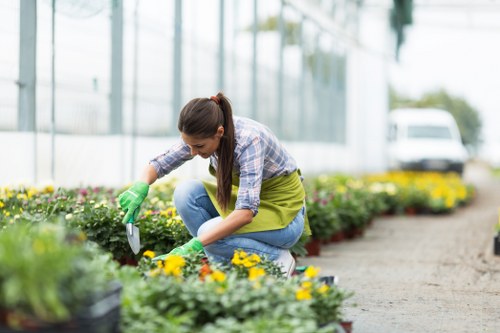 Landscaping Greenwich is about more than making a garden look attractive. It is the thoughtful shaping of outdoor space so that it feels inviting, functions well, and complements the character of the property. In a place like Greenwich, where homes, terraces, courtyards, and private gardens often reflect a blend of tradition and modern living, the right landscaping approach can transform ordinary space into something elegant and practical. A well-designed outdoor area can improve curb appeal, support daily life, and create a calm environment that feels like an extension of the home.
Many property owners look at landscaping in Greenwich as an investment in both lifestyle and property value. Outdoor areas are no longer treated as simple green space; they are now considered important parts of the home experience. Whether the goal is to create a family-friendly garden, a low-maintenance space, or a refined setting for entertaining, the principles behind good design remain the same: balance, proportion, usability, and visual harmony. With the right ideas, even compact spaces can become rich, layered, and highly functional.
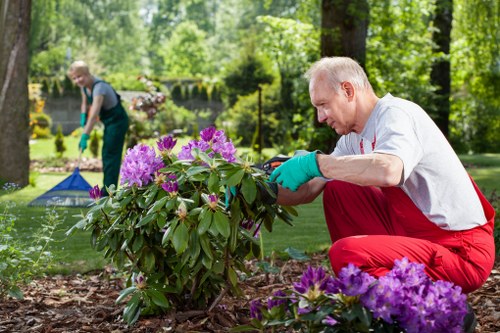 What makes Greenwich landscaping especially interesting is the variety of settings it can serve. Some properties benefit from formal layouts with clean lines and structured planting, while others suit softer, more natural styles. The best outdoor spaces are tailored to the architecture, the light conditions, the soil, and the way the space will be used day to day. That kind of careful planning turns a garden from a simple feature into a meaningful part of the home.
The Character of Landscaping Greenwich Homes and Gardens
Greenwich has a distinctive atmosphere, and that influences how outdoor spaces are shaped. Many properties in the area combine classic charm with contemporary living, which means landscaping should respect the identity of the home while meeting modern needs. A successful design does not compete with the building; it enhances it. This may involve using materials that echo the property’s style, selecting planting that feels appropriate to the setting, and creating spaces that connect smoothly with patios, pathways, and entrances.
One of the most valuable aspects of Greenwich garden landscaping is the way it can solve practical issues without sacrificing appearance. Narrow side returns, shaded corners, uneven levels, and overlooked boundaries are common challenges in urban and suburban gardens. Good design can address these issues with intelligent layout choices, screening, layered planting, and hard landscaping features that make the space easier to use. The result is a garden that feels intentional rather than improvised.
Well-planned landscaping in Greenwich also considers how people move through a space. The placement of paths, seating areas, lawns, steps, and borders affects not only appearance but comfort and safety. A garden should invite movement naturally, guiding the eye and the feet toward focal points such as a specimen tree, a water feature, or a terrace. When circulation is designed well, the entire space feels more cohesive and relaxed.
Why Landscaping Matters for Everyday Living
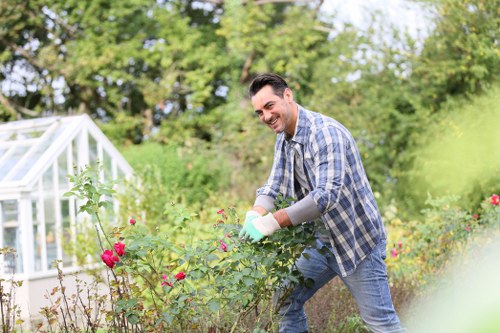 A carefully landscaped garden can change the way a home is experienced every day. It offers a place for rest, play, socializing, and quiet reflection. For busy households, the garden becomes a retreat that supports well-being. For those who enjoy hosting, it can serve as an attractive setting for dining and conversation. Even small enhancements can make outdoor time more enjoyable, especially when the design reduces clutter and maximizes usable space.
Landscaping Greenwich properties also contributes to the overall sense of order around a home. Plants, surfaces, borders, and structures work together to create visual rhythm. This can be especially important in areas where outdoor space is visible from many angles, including windows, upper floors, and neighboring buildings. A well-composed garden offers beauty in every season and gives the property a finished, cared-for appearance.
There is also a growing interest in gardens that support sustainability and resilience. Thoughtful plant selection can reduce water use, improve biodiversity, and create a healthier outdoor environment. Choosing the right shrubs, perennials, grasses, and groundcovers can help keep the garden attractive through the year while lowering maintenance demands. In this way, Greenwich landscaping services are not just about aesthetics; they are about creating outdoor spaces that are practical, adaptable, and environmentally mindful.
Design Principles That Shape Strong Landscapes
Every attractive outdoor space begins with a clear understanding of design principles. Balance is one of the most important. A garden that feels evenly composed is easier to enjoy than one that appears visually crowded or empty. Balance does not mean strict symmetry in every case; it means creating a sense of stability through proportion, repetition, and placement. Trees, hedges, paving, and planting beds all play a role in this equilibrium.
Another essential principle in landscaping Greenwich is layering. Layering involves using plants and materials at different heights and textures so the garden feels deep and dynamic. A border might combine taller structural plants, mid-height flowering perennials, and lower edging plants. This approach gives the garden visual interest and helps transition smoothly between hard landscaping and soft planting. It also allows the space to remain engaging even when some plants are not in bloom.
Color is another element that can shape the mood of a garden. Soft greens, silvers, whites, and muted blues create a calming atmosphere, while richer tones add drama and warmth. In many Greenwich gardens, a restrained palette works well because it feels elegant and timeless. However, stronger accents can be used to highlight features or create seasonal excitement. The key is consistency, so the garden feels curated rather than chaotic.
Choosing Materials That Suit Greenwich Settings
The materials used in a garden influence both its appearance and how it performs over time. Paving, stone, timber, metal, gravel, and brick each bring their own qualities. In Greenwich landscaping, material choice should reflect the architecture and local character while remaining durable and easy to maintain. A modern extension may suit sleek porcelain paving and clean edges, while a period property might look better with natural stone or reclaimed brick. The right surfaces help the outdoor space feel unified with the house.
Hard landscaping features such as retaining walls, raised beds, steps, and terraces can define space and add structure. These elements are especially useful where gardens have changes in level or need distinct zones. For example, a terrace might connect directly to the house for dining, while a lawn or planting area beyond provides softness and openness. Careful use of hard surfaces prevents the garden from becoming too fragmented and helps create a sense of flow.
Textures matter as well. A mix of smooth and rough finishes can make a garden feel more sophisticated and layered. Gravel paths, textured stone, and timber details can soften the impact of larger paved areas. In landscaping Greenwich homes, thoughtful material combinations can help balance elegance with comfort, ensuring that the space feels inviting rather than overly formal.
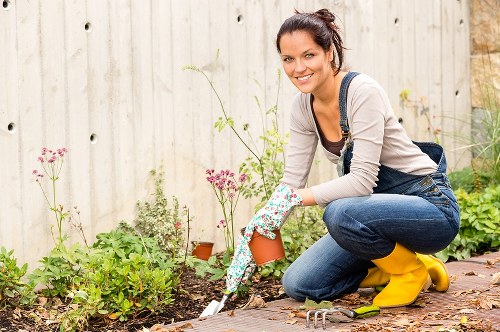 Planting design is one of the most rewarding parts of any garden project. The right planting scheme can make a space feel established, colorful, and alive throughout the year. In Greenwich, planting often needs to work around urban conditions such as shade, wind exposure, reflective surfaces, and limited root space. Selecting plants that thrive in these conditions is essential for long-term success. A well-chosen palette can turn even difficult corners into attractive features.
Seasonal interest is a major consideration in landscaping in Greenwich. A garden should not only look good in spring and summer. Evergreen structure, winter stems, bark texture, berries, and late-season flowers all help maintain appeal in colder months. This layered approach ensures the space remains visually compelling throughout the year. It also gives the garden a sense of permanence, which is especially valuable in urban and residential settings.
Some of the most effective planting schemes combine structure and softness. Hedges, topiary, and ornamental trees create a backbone, while flowering plants bring movement and variety. Grasses can add texture and motion, while climbers can soften walls and fences. The most successful Greenwich garden landscaping often feels balanced between controlled design and natural expression, allowing the space to look polished without appearing rigid.
Creating Gardens That Fit Different Lifestyles
Not every household uses a garden in the same way, which is why flexibility matters. Some people want a quiet sanctuary with seating and subtle planting. Others need open areas for children, pets, or gatherings. Many want a combination of both. Landscaping Greenwich properties works best when the design reflects actual lifestyle needs, not just visual trends. A garden should be enjoyable to live with, not simply admire from afar.
For family homes, durable surfaces and practical layout choices are especially important. Lawns, patios, and planting areas can be arranged so that the space remains functional without feeling overly busy. Storage can be hidden within planting or structures. Defined zones can separate play from relaxation. In this type of Greenwich landscaping, the aim is to create a garden that is attractive, safe, and easy to maintain while still allowing room for spontaneity and use.
For entertaining, outdoor seating and dining spaces often become central features. These areas benefit from good proportions, comfortable access, and protection from wind or excess sun where possible. Planting can be used to frame views and create privacy, while lighting extends usability into the evening. A well-designed entertaining garden is both welcoming and practical, making it feel like a natural part of the home rather than a separate addition.
The Role of Privacy, Screening, and Shelter
Privacy is a common concern in built-up areas, and gardens in Greenwich are no exception. Screening can be achieved through hedging, trellis, pergolas, layered planting, and carefully positioned trees. The goal is not to shut the space in, but to create comfort and a sense of enclosure. A garden that feels sheltered is often more restful and usable, especially in close neighborhood settings where overlooking may be a factor.
Landscaping Greenwich gardens often requires a careful balance between openness and privacy. Too much screening can make a space feel closed off, while too little can leave it exposed. Thoughtful design uses height and density strategically, allowing some views out while softening views in. This creates a more pleasant environment and can make the garden feel larger because the boundaries are less visually harsh.
Shelter from wind and harsh sun can also make a significant difference. Pergolas, canopies, trees, and boundary planting help moderate exposure and improve comfort. When outdoor space is comfortable, people use it more often. That makes shelter an important part of successful landscaping in Greenwich, especially in gardens intended for long periods of relaxation or social use.
How Lighting Extends the Use of Outdoor Space
 Lighting is one of the most effective ways to add atmosphere and usability to a garden. In the evening, carefully placed lights can highlight planting, define paths, and draw attention to architectural details. They can also make outdoor areas feel safer and more inviting. In Greenwich landscaping, lighting is often used subtly so the effect feels elegant rather than overly bright or decorative.
Different types of lighting serve different purposes. Path lights help guide movement, uplights can emphasize trees or walls, and softer ambient lighting creates mood around seating areas. The best schemes combine function and subtlety, allowing the garden to remain usable after sunset without losing its sense of calm. A well-lit garden also looks more polished from inside the house, adding visual interest to evening views.
Lighting should be considered alongside planting and hard landscaping rather than added at the end. This allows fittings to be positioned discreetly and helps create a coherent composition. When used well, lighting brings another dimension to landscaping Greenwich, revealing textures and forms that may not be as visible in daylight.
Maintenance and Long-Term Appeal
A beautiful garden should be sustainable over time. Maintenance is an important part of any successful landscape because even the most attractive design will lose impact if it becomes difficult to care for. That is why many property owners prefer planting schemes and materials that remain attractive with sensible upkeep. The aim is not to eliminate maintenance completely, but to make it manageable and worthwhile.
Low-maintenance does not have to mean plain or uninspiring. In fact, many of the most elegant Greenwich garden landscaping projects rely on simple, robust choices that age gracefully. Evergreens, structured borders, and durable paving can create strong results with less intervention. Mulching, irrigation planning, and the selection of appropriate species all help reduce stress on the garden while preserving visual quality.
Regular pruning, seasonal tidy-ups, and attentive care keep a landscape looking deliberate. Plants grow, surfaces weather, and light changes over time, so good gardens evolve. The most successful landscaping in Greenwich projects are those that anticipate this change and allow the garden to mature beautifully. A space with strong structure and balanced planting will continue to improve as it settles into the property.
Blending Beauty and Practicality in Greenwich Gardens
One of the hallmarks of strong outdoor design is the ability to combine beauty with function. This is especially important in urban settings, where outdoor space may be limited and needs to work hard. A garden can be visually pleasing while also supporting storage, circulation, entertainment, relaxation, and biodiversity. When all these roles are considered together, the final result feels complete and well resolved.
In many cases, landscaping Greenwich projects succeed because they respect the existing qualities of the property rather than trying to force a style onto it. Mature trees, original brickwork, natural light, and boundary conditions can all inform the design. Instead of hiding these characteristics, good landscaping uses them to create authenticity. That approach often produces spaces that feel more timeless and more connected to their surroundings.
It is also worth remembering that a garden does not need to be large to be impressive. Small spaces can be especially charming when they are designed with precision. A compact courtyard with quality materials, well-considered planting, and a clear layout can feel more luxurious than a larger space lacking structure. In this sense, Greenwich landscaping services are about making every square meter count.
Bringing the Whole Garden Together
The most satisfying landscapes are those that feel coherent from one end to the other. This sense of coherence comes from repeating materials, echoing forms, and using planting to tie sections together. Borders should complement paving, structures should relate to the house, and transitions between zones should feel natural. A garden that flows well is easier to understand and more enjoyable to use.
Landscaping Greenwich homes often benefits from a strong central idea, whether that is symmetry, softness, modern simplicity, or layered naturalism. Having a clear direction helps guide decisions about materials, planting, lighting, and layout. Without it, the space can feel fragmented. With it, even diverse elements can work together beautifully. The garden becomes a unified whole rather than a collection of separate features.
As tastes change and households evolve, adaptable design becomes increasingly valuable. A terrace can be reimagined with new furniture, planting can be refreshed with changing seasons, and decorative features can be adjusted over time. A strong landscape is one that can grow with the home while retaining its structure. That is why thoughtful landscaping in Greenwich continues to matter long after the initial project is finished. It creates a foundation for ongoing enjoyment, everyday comfort, and lasting visual appeal.
When considered carefully, landscaping Greenwich is not just about improving an outdoor area; it is about shaping a better way to live with the space around a home. From practical layout and durable materials to planting, privacy, lighting, and long-term maintenance, every detail plays a role in the final result. The most impressive gardens are often those that feel natural, balanced, and deeply connected to the property they surround.
Greenwich garden landscaping has the power to elevate both appearance and function, turning underused outdoor areas into places of rest, activity, and beauty. Whether the space is small or generous, formal or relaxed, the same core ideas apply: thoughtful planning, quality materials, and planting that suits the setting. With these in place, a garden can become one of the most valuable and enjoyable parts of a home.
In the end, successful landscaping in Greenwich is about creating an outdoor environment that feels personal, enduring, and well balanced. It should support the rhythms of daily life while offering beauty in every season. When design, planting, and structure work together, the garden becomes more than an outdoor feature. It becomes a meaningful extension of home, capable of providing comfort, character, and lasting satisfaction.